
Agree to Disagree!
Season 3
Created by: Andreas Martin
Network: YouTube, arte.tv
Season aired: 2026-04-13
Seasons
Overview
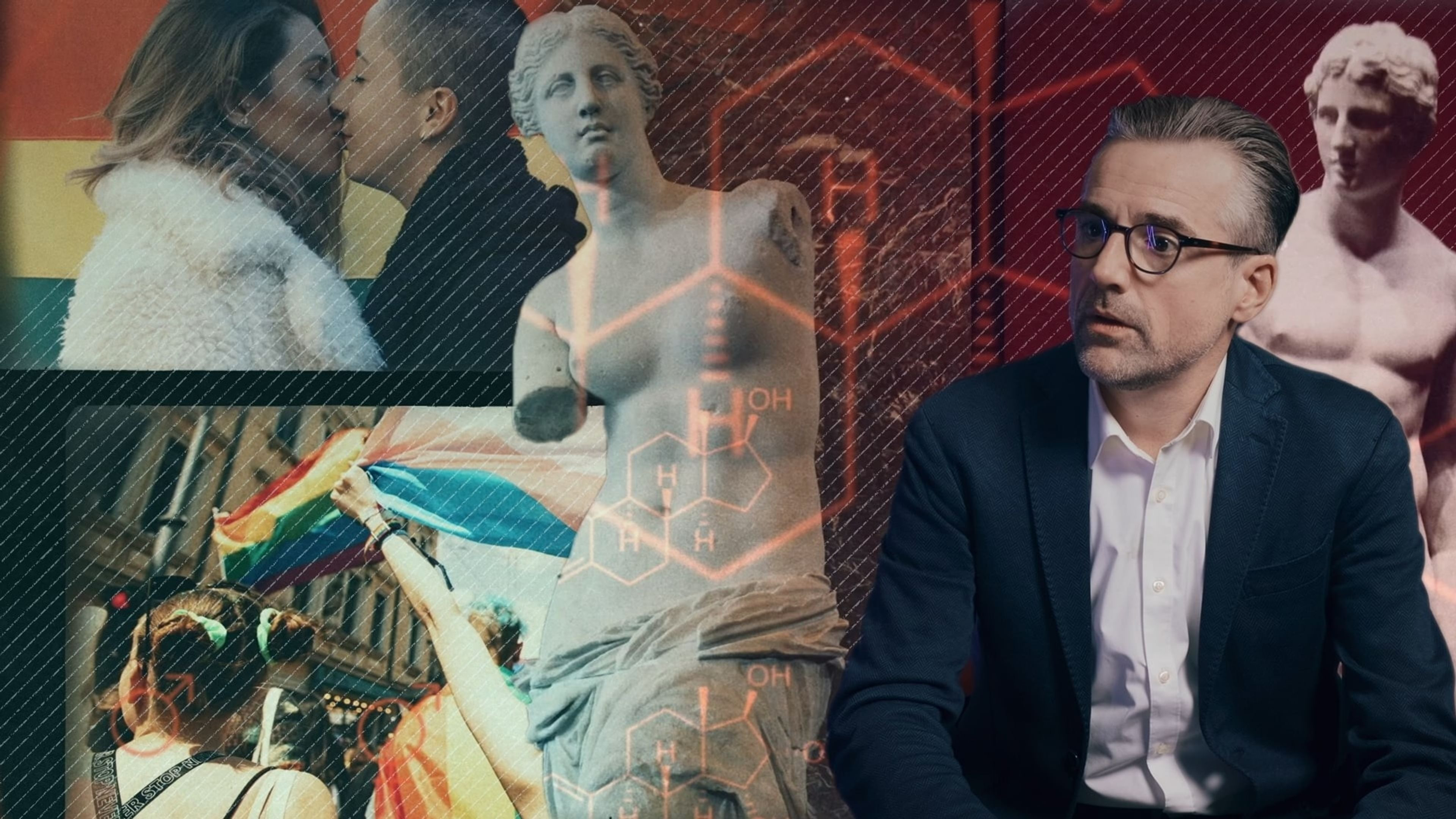
Is the modification of the human genome ethical? Is sustainable consumption at a low price possible? Are food intolerances just a passing trend? Professor of psychology Bertolt Meyer discusses controversial issues with specialists.
Advertisement
AdSense · 320×100
Episodes · 12

Hunting: More Than Just Killing for Sport?
Hunting remains a deeply divisive issue. For some, it is a cultural tradition and a tool for wildlife management and ecological balance; for others, it raises serious ethical concerns about violence and our relationship with living beings. While scientific research explores new approaches to managing wild animal populations, the debate continues between hunters and animal ethics experts over how nature should be preserved and regulated.

ADHD: Brain Disorder or Social Construct?
ADHD raises ongoing debate between those who see it as a condition causing real daily challenges and those who emphasize neurodiversity and the range of human cognitive differences. While some experience significant difficulties, others highlight potential strengths and different ways of thinking. The broader question remains how society should respond - through adaptation, support, or a better recognition of neurodivergent abilities.

Brain Implants: Utopia or Dystopia?
Neuro-AI, at the intersection of neuroscience and artificial intelligence, promises to enhance human cognition and repair the body. At the same time, it raises concerns about privacy, control, and the potential manipulation of thought, especially if driven by major tech companies. Experts debate the benefits of medical innovation against the risks to autonomy, data ownership, and the broader societal consequences of directly interfacing technology with the human brain.

Should We Bring Back Military Service?
Russia's invasion of Ukraine has reignited an old debate: Does Europe need conscription in order to be war-ready? Or is compulsory military service a relic from a bygone era? Prof Dr Bertolt Meyer discusses this with Prof Patrick Sensburg and Dr Andrea Ellner who hold opposing views.

School Under Pressure: Do We Need Grades?
Do children need grades in order to learn, or do they actually limit their potential? Some alternative schools focus on self-directed learning, intrinsic motivation, and mentoring instead of traditional grading systems. While such approaches aim to foster engagement and independence, they also raise questions about selection, equal opportunity, and how well different school models prepare students for future academic and professional demands.

Legalising Cannabis: A Good Idea?
Rather than leaving the cannabis market to unscrupulous dealers, should the state legalise and regulate the drug? Some European countries have legalised cannabis while others have kept in place strict controls. Bertolt Meyer debates the merits of decriminalisation with two experts: Dr Bernd Werse and Dr. Mathias Luderer.

Geoengineering: Climate Fix or Dangerous Experiment?
As the impacts of human-driven climate change intensify, geoengineering proposes radical technological interventions to modify the Earth’s systems, such as injecting aerosols into the stratosphere or altering ocean chemistry. Supporters see a potential last-resort solution to slow global warming, while critics warn of unpredictable risks and unintended consequences. The debate centers on whether such large-scale interventions are a necessary response or a dangerous experiment with the planet’s future.

Biodiversity: Are We Protecting the Right Species?
Alongside climate change, biodiversity loss is one of the major ecological crises of our time, with a significant share of species now at risk of extinction despite extensive conservation efforts. While some strategies have shown results, others appear limited, raising questions about how effective current approaches really are. Scientists and experts debate whether stronger protection measures are enough or whether a deeper shift in how humans relate to nature is needed.

Gentle Parenting: Necessary Bonding or Overidealized Parenting Style?
Parenting approaches focused on attachment and emotional responsiveness are often presented as essential for healthy child development, yet they remain highly debated. Some experts emphasize the importance of strong early bonds, while others argue that these models reflect a culturally specific ideal that may not fit all societies. The discussion also highlights how social media shapes expectations of parenting, raising the question of what children truly need to thrive.

Social Media: A Threat to Democracy?
Originally seen as tools for connection and democratic participation, social media platforms are now often criticized for spreading hate, amplifying polarization, and enabling radicalization. While they also provide unprecedented access to information and public discourse, concerns about misinformation and algorithmic manipulation remain central. Experts debate whether these platforms weaken democratic societies or can strengthen them if properly regulated and used responsibly.

The Church and Modernity: Still Compatible?
For centuries, the Church has served as a moral anchor in society, but in today’s rapidly changing world its values and structures are increasingly questioned. In many countries, religious affiliation is declining, driven by scandals, shifting social norms, and debates over tradition versus reform. While some argue that the institution still provides essential ethical guidance, others call for profound transformation or even separation from modern society.

Killer AI: When Machines Wage War
Artificial intelligence is increasingly being integrated into military systems, raising the prospect of weapons that can select and engage targets without human intervention. While supporters highlight potential gains in speed and precision that could reduce casualties, critics warn of profound ethical and strategic risks. The debate focuses on how close fully autonomous warfare is to becoming reality and who, in the end, should retain control over life-and-death decisions.


